
No products added!

Written by
Leidy
July 10, 2021
An Overview
In an increasingly diverse world we live in today, it is more important than ever to teach our children about cultural inclusivity. As a parent, you play an important role in shaping the way your child thinks and feels about different races, ethnicities, and cultures. It is never too early to start teaching your child about the beauty of diversity, and the vital importance of being accepting of others who are different from themselves. Let’s discuss the ultimate guide to culturally inclusive parenting.
1. Start at Home:
One of the most important ways to teach your child about cultural inclusivity is to model it yourself. Be aware of the language you use and the values you demonstrate at home. Encourage an open dialogue with your child about different cultures and their customs. Embrace cultural diversity through the books you read and the music you listen to.
2. Be Mindful of Stereotypes:
Make sure that you do not reinforce stereotypes with your children. Encourage your child to learn about cultures and differences rather than assuming inaccurately about them. For instance, instead of allowing a stereotype that implies “all Asians are good at math,” create an environment that values curiosity, so your child can feel free to have an open discussion about why math is an important subject in most Asian cultures.
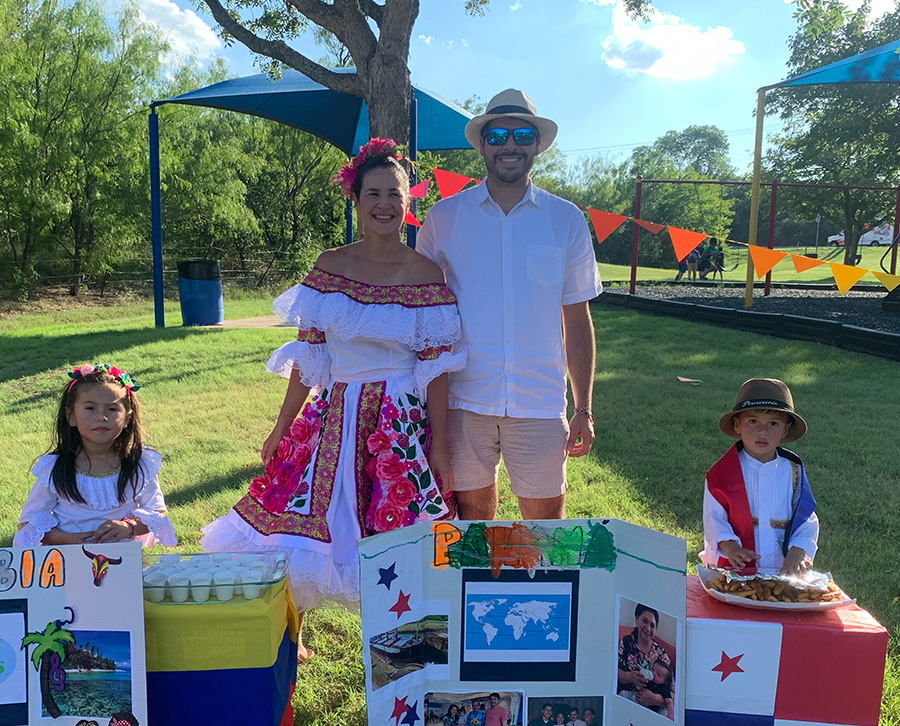
3. Talk About Celebrating Differences:
Encourage and facilitate learning about other cultures and ethnicities. Expose your children to different religions, languages, and celebrations from around the world. Attend community events with your children and diversify the books and media they consume to incorporate cultures that are different from their own.
4. Foster Empathy:
Another way to encourage your child to practice cultural inclusivity is by developing empathy for all individuals regardless of their backgrounds or cultures. Emphasis on their uniqueness in a positive way. Help your child understand what it means to “walk in someone else’s shoes” by placing themselves in the shoes of people with different cultural backgrounds than their own. Engage them in role-playing exercises to promote a deeper understanding of other perspectives.
5. Be a Parent and Advocate:
Parents are advocates, and it’s your responsibility to create an equal, diverse, and inclusive place for your child. Approach your child’s school about incorporating diversity into their curriculum. Advocate for the employment of diverse employees in your child’s daycare, schools, and other common areas. This way, your child can become exposed to positive role models and acquire knowledge about various cultures outside of a book or a screen.
Culturally inclusive parenting starts with your personal mindset about diversity. You can create a diverse and inclusive environment for your child by educating them about the unique aspects of different cultures, giving them access to different traditions and beliefs, and debunking stereotypes. Show your child how important and beautiful diversity is by modelling inclusivity in your everyday actions. Encourage them to explore and celebrate different cultures rather than view them as distant or “other.” Remember: cultural inclusion at an early age will affect positive change in the long run and help foster a more tolerant and inclusive society that celebrates differences rather than being divisive.
Guambitoes Difference
- Cultural diverse team
- Cuturally oriented events
- Inclusive environment regardless of background
Tags:
Related Posts
December 29, 2022
An Overview As a parent, you always want the best for your child, which includes providing them with opportunities that can help them grow and develop into well-rounded individuals. One
December 29, 2022
An Overview If you’re a parent with young children, you most likely want them to develop in a way that helps them become successful in their future endeavors. Soccer is
December 29, 2022
Tags: Infant Kindergarten Share: An Overview As parents, we want nothing but the best for our children. We want them to grow up into well-rounded individuals who can excel in
Previous Story