
No products added!

Written by
Leidy
December 29, 2022
An Overview
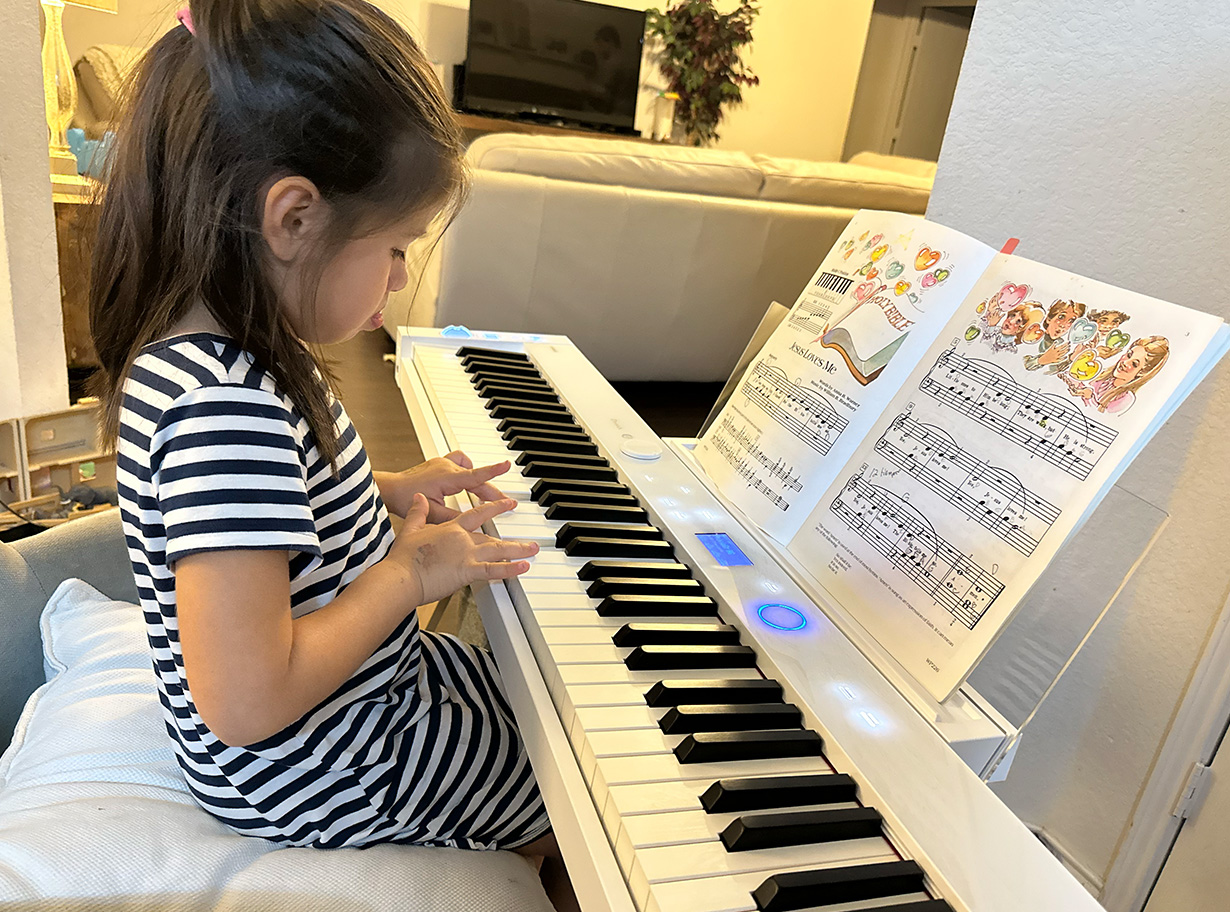
As a parent, you always want the best for your child, which includes providing them with opportunities that can help them grow and develop into well-rounded individuals. One such opportunity is learning to play the piano. While you may think that your little one is too young to start, research shows that teaching piano at an early age can have numerous benefits. In article, we will explore why starting piano lessons at an early age can be beneficial for your child, and why you should consider it as an extracurricular activity.
1. Improved Brain Development:
When children learn to play the piano at an early age, they are exposed to music, which has been shown to help improve brain development. Studies have found that children who learn to play the piano have stronger neural connections in the brain, which can lead to improved memory, language ability, and spatial-temporal skills. These skills can be particularly beneficial for young children as they prepare for academic success in the future.
2. Improved Motor Skills:
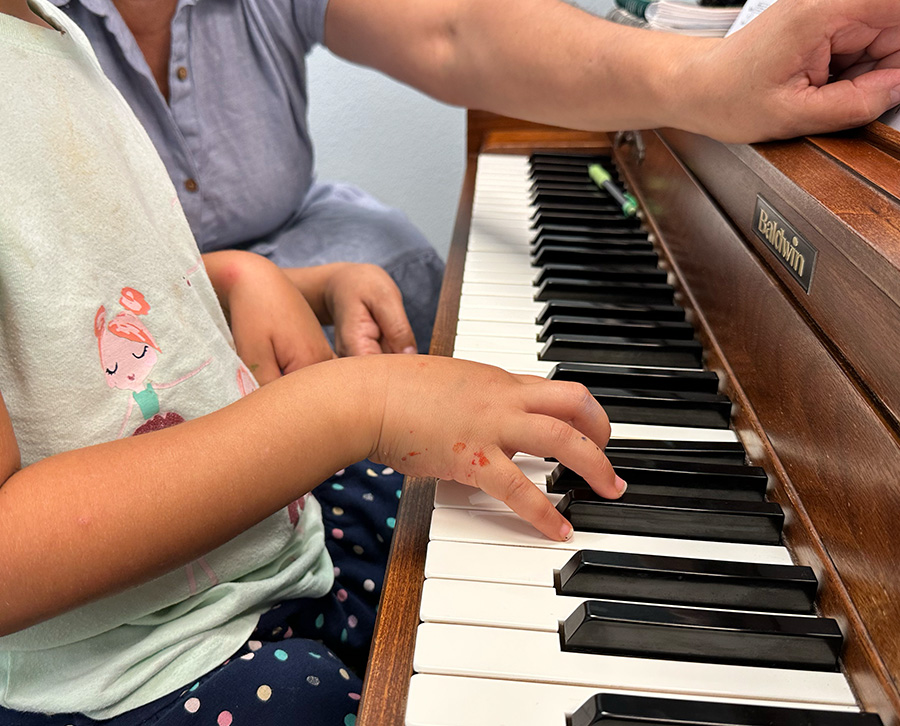
Playing the piano requires a great deal of physical coordination, which can help improve a child’s motor skills. When children play the piano, they use their hands, fingers, and feet to press keys, pedals, and buttons. These actions strengthen a child’s body awareness and hand-eye coordination, which can have significant benefits beyond playing the piano.
3. Improved Emotional Development:
Learning to play the piano can also have a positive impact on a child’s emotional development. Music has been shown to have therapeutic effects on individuals of all ages, and playing the piano can help children develop their emotions positively. Playing music can help children develop patience, discipline, and creativity, which can help them navigate difficult emotional situations.
4. Improved Confidence:
Learning to play an instrument takes time and effort, and as children improve and achieve success, they develop a sense of confidence in their abilities. This confidence can extend beyond piano lessons and help children perform better in school and social situations. The skills they learn while playing the piano, such as problem-solving, persistence, and focus, can ultimately lead to success in all aspects of life.
5. Improved Sense of Accomplishment:
Finally, learning to play the piano can provide children with a sense of accomplishment that can boost their self-esteem. As children progress through their piano lessons and achieve new goals, they will feel a sense of pride in their accomplishments. This sense of accomplishment can motivate children to continue to learn and improve, not just in playing the piano but also in other areas of their lives.
Teaching piano at an early age can provide numerous benefits for children, from improved brain development and motor skills to emotional development and confidence. By exposing your child to music and learning to play the piano, you are providing them with an opportunity to develop essential skills that can help them succeed academically and beyond. If you are a parent of a young child, consider introducing them to the piano, and watch as they grow and thrive in their musical pursuits.
Guambitoes Difference
- Foster learning instruments at an early age
- Many of our kids are part of choirs and music programs
- Great group of support for music referals
Tags:
Related Posts
December 29, 2022
Tags: Infant Kindergarten Share: An Overview As parents, we want nothing but the best for our children. We want them to grow up into well-rounded individuals who can excel in
December 29, 2022
An Overview Learning how to ride a bike is one of the biggest milestones of childhood. It is an adventure that every child looks forward to, and it brings a
December 29, 2022
An Overview When it comes to parenting, both mothers and fathers have a crucial role to play in a child’s upbringing. However, many people underestimate the significance of a father’s