
No products added!

Written by
Leidy
December 29, 2022
An Overview
As a parent, you want to give your child the best possible start in life. You may have already considered music lessons, art classes, or sports activities to help your child develop various skills. But have you thought about outdoor education?
Outdoor education refers to hands-on learning experiences that take place in natural environments, such as forests, parks, gardens, or farms. Research has shown that outdoor education offers numerous benefits for young children, both physically and mentally. In this post, we will explore some of the surprising benefits of outdoor education and why it’s worth considering for your child.
1. Boosts Physical Health.
One of the most apparent benefits of outdoor education for young children is that it promotes physical activity. When children play outside, they are more likely to run, jump, climb, and explore, which helps them develop coordination, agility, and strength. Being in nature also exposes children to fresh air, sunlight, and vitamin D, which support their immune system and regulate their sleep-wake cycle.
2. Enhances Cognitive Development.
Outdoor education can also benefit young children’s cognitive development in various ways. For example, it can stimulate their curiosity, imagination, and problem-solving skills by exposing them to novel and unfamiliar stimuli, such as insects, rocks, or plants. Outdoor education can also provide opportunities for children to learn about science, math, and language, by observing and discussing natural phenomena, such as seasons, weather, or animal behavior.
3. Fosters Socialization.
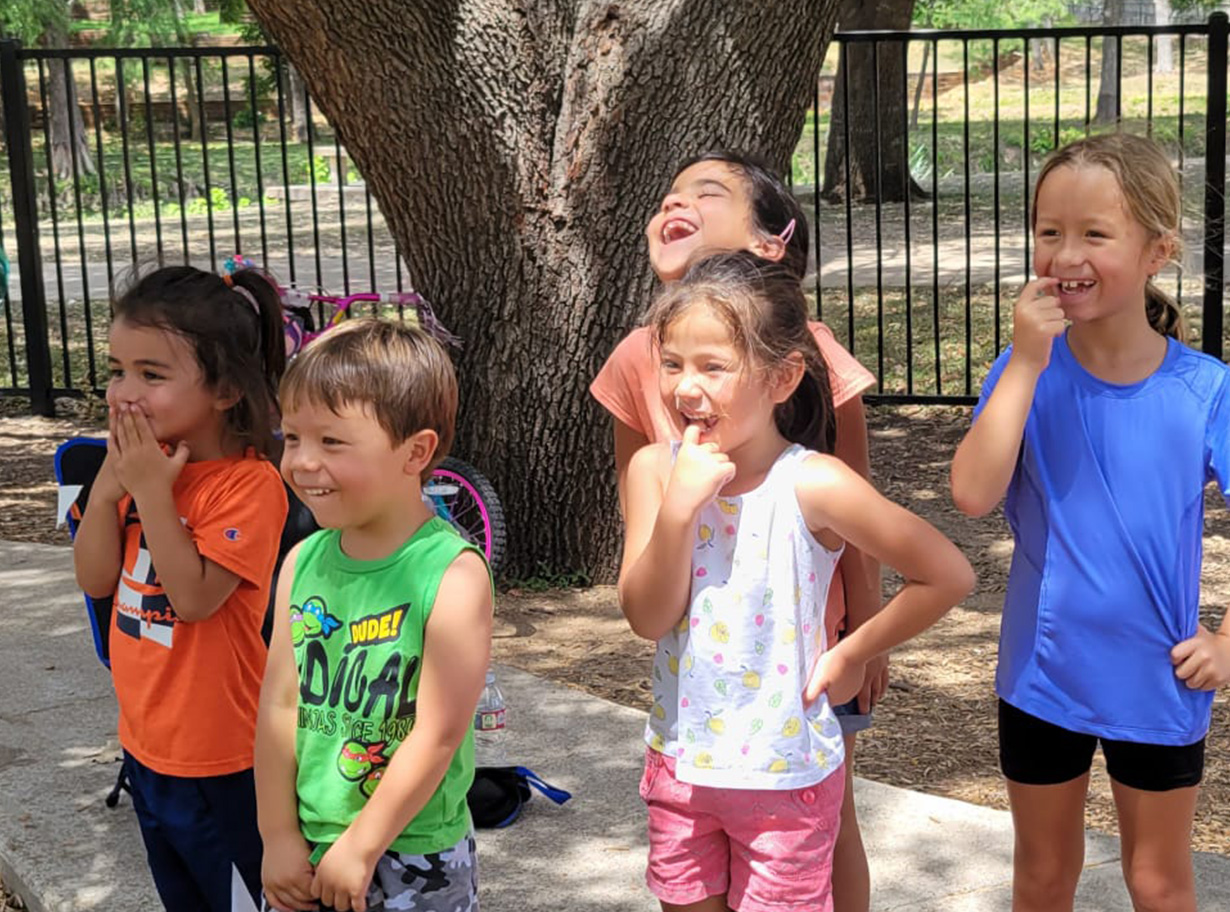
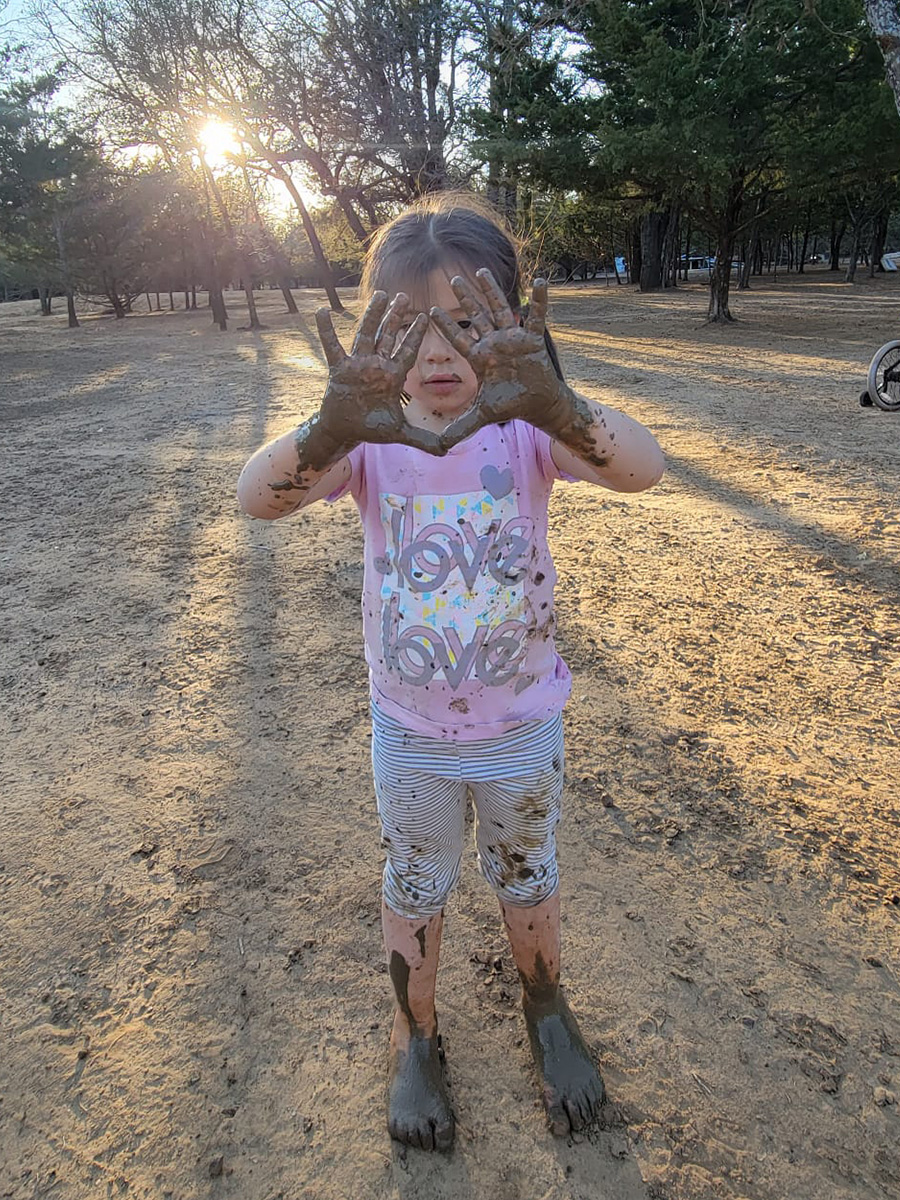
Another significant benefit of outdoor education for young children is that it can foster socialization. Outdoor environments offer numerous opportunities for social interactions, such as teamwork, collaboration, and communication. Children can learn to share, negotiate, and compromise while playing games, building forts, or exploring together. Outdoor education can also help children develop empathy, respect, and responsibility towards other living beings, such as animals, plants, or ecosystems.
4. Improves Mental Health.
Finally, outdoor education can also benefit young children’s mental health and well-being. Research has shown that exposure to nature can reduce stress, anxiety, and depression in both children and adults. Being in a natural environment can help children feel rejuvenated, relaxed, and connected to something greater than themselves. Outdoor education can also provide a sense of accomplishment, pride, and self-esteem, by allowing children to take risks, face challenges, and overcome obstacles.
Outdoor education offers many benefits for young children, ranging from physical health to cognitive development to socialization to mental well-being. If you’re a parent with a child between 0 and 10 years old, I highly encourage you to explore the possibilities of outdoor education in your community. Try visiting a local park, nature center, or farm with your child, or sign up for an outdoor education program, such as a nature camp or a gardening club. Your child may surprise you with what they learn and how they grow in the great outdoors!
Guambitoes Difference
- Ninety percent of our activities take place outdoors
- We encourage team work
- Motor skills are essential to our approach
Tags:
Related Posts
December 29, 2022
An Overview As a parent, you always want the best for your child, which includes providing them with opportunities that can help them grow and develop into well-rounded individuals. One
December 29, 2022
An Overview If you’re a parent with young children, you most likely want them to develop in a way that helps them become successful in their future endeavors. Soccer is
December 29, 2022
Tags: Infant Kindergarten Share: An Overview As parents, we want nothing but the best for our children. We want them to grow up into well-rounded individuals who can excel in