
No products added!


Written by
Leidy
December 29, 2022
Tags:
An Overview
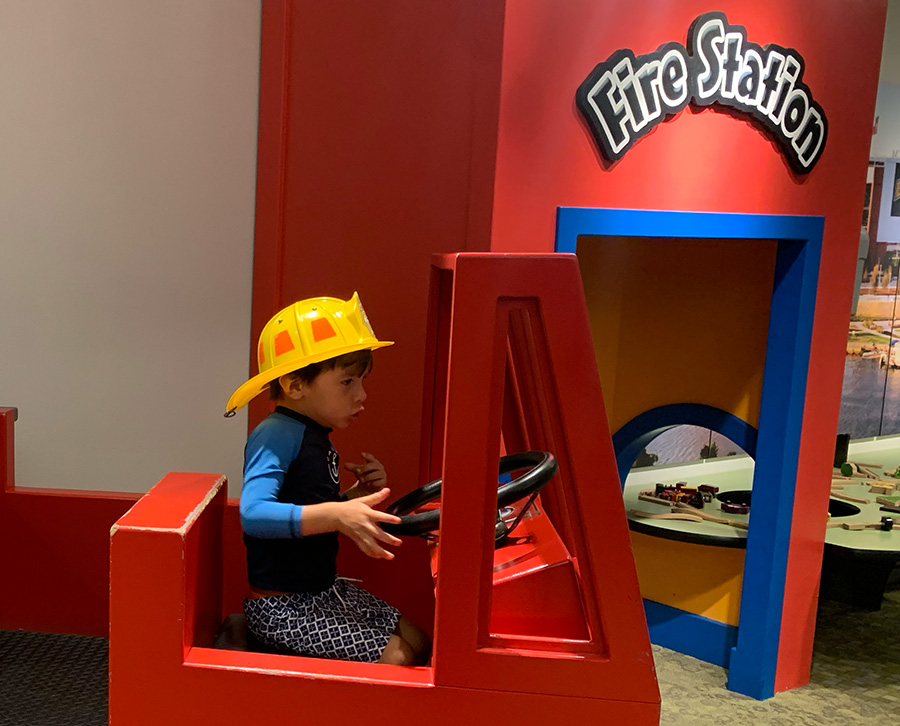
As parents, we want nothing but the best for our children. We want them to grow up into well-rounded individuals who can excel in all aspects of life. This is why we often spend a lot of time researching and trying out various activities that will help our children develop the skills they need. One such activity that is often overlooked, but has a huge impact on a child’s development is role-playing. Let’s discuss the importance of role-playing in infant stages of a child.
1. Boosts creativity and imagination -
Role-playing can be an incredibly imaginative activity. It allows children to think outside the box and come up with their own scenarios and ideas. When children engage in role-play, they create their own worlds, characters, and plotlines, which can help them to develop their imagination and creativity. Role-playing can also help children to become more confident in their ability to generate ideas and problem-solve.
2. Develops social skills -
Role-playing also helps children to develop their social skills. When children engage in role-play, they have to take on different roles and characters, which can help them to understand different perspectives and viewpoints. This can also help them to develop empathy and make them more aware of other people’s feelings. Role-playing can also help children to learn how to communicate effectively, negotiate, and cooperate with others.
3. Improves language and communication skills -
Role-playing also helps children to improve their language and communication skills. When children engage in role-play, they have to use words and phrases that are appropriate to the roles and characters they are portraying. This can help them to develop their vocabulary and learn how to use language in a context-specific way. Role-playing can also help children to become more confident in their ability to express themselves and communicate their ideas effectively.
4. Encourages problem-solving skills -
Role-playing can also encourage problem-solving skills. As children engage in role-play, they encounter various obstacles and challenges that they have to overcome. This can help them to think critically and come up with creative solutions. Role-playing can help children to develop their problem-solving skills by giving them the opportunity to practice different approaches and strategies to solve problems.
5. Fosters a love of learning -
Role-playing can also foster a love of learning. By engaging in role-play, children can explore different topics and subjects in a fun and interactive way. They can learn about history, science, literature, and more, without even realizing it. Role-playing can help to spark children’s interest in different areas, and encourage them to continue to explore and learn throughout their lives.
Role-playing can be an incredibly powerful activity for children. It can help them to develop important skills like creativity, communication, problem-solving, and socialization. By engaging in role-playing activities, children can also develop a sense of curiosity and a love of learning that can stay with them throughout their lives. As parents, we can encourage our children to engage in role-play by providing them with the necessary tools and resources, and by setting aside time for them to engage in this important activity. Ultimately, role-playing can be a valuable addition to any child’s developmental toolkit, and can help to set them up for success in all aspects of their lives.
Guambitoes Difference
- Kids museum visits
- Role-playing group activities
- Professional/parents days
Tags:
Related Posts
December 29, 2022
An Overview As a parent, you always want the best for your child, which includes providing them with opportunities that can help them grow and develop into well-rounded individuals. One
December 29, 2022
An Overview Learning how to ride a bike is one of the biggest milestones of childhood. It is an adventure that every child looks forward to, and it brings a
December 29, 2022
An Overview When it comes to parenting, both mothers and fathers have a crucial role to play in a child’s upbringing. However, many people underestimate the significance of a father’s